How much does a new roof cost in Brookhaven?
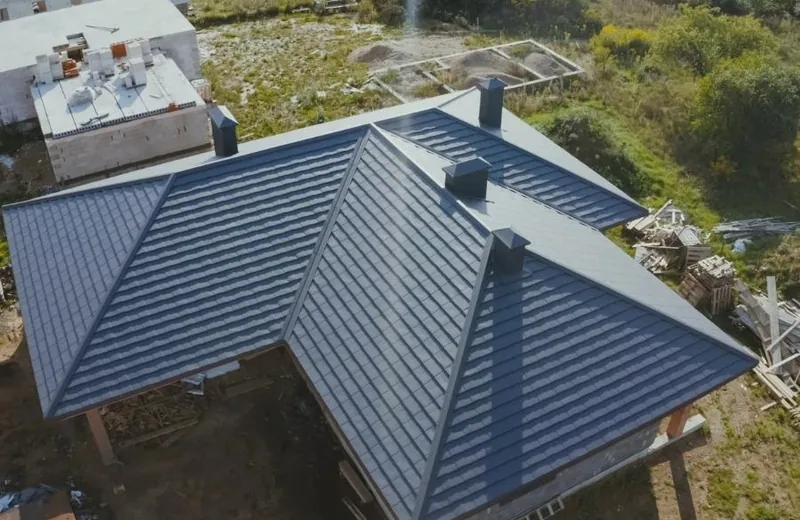
Most architectural shingle replacements on Brookhaven ranch homes land between about $11,000 and $19,000. Large, steep infill homes often run $24,000 to $42,000 or more. The biggest variables are roof size, pitch, the number of valleys and dormers, and how much rotted decking turns up under old layers, which is common on 1940s–60s homes. Metal, slate and cedar cost significantly more. You'll get a photo inspection and an itemized written estimate before any work begins, and financing is available if you'd like to spread out the cost.
How long does a roof replacement take?
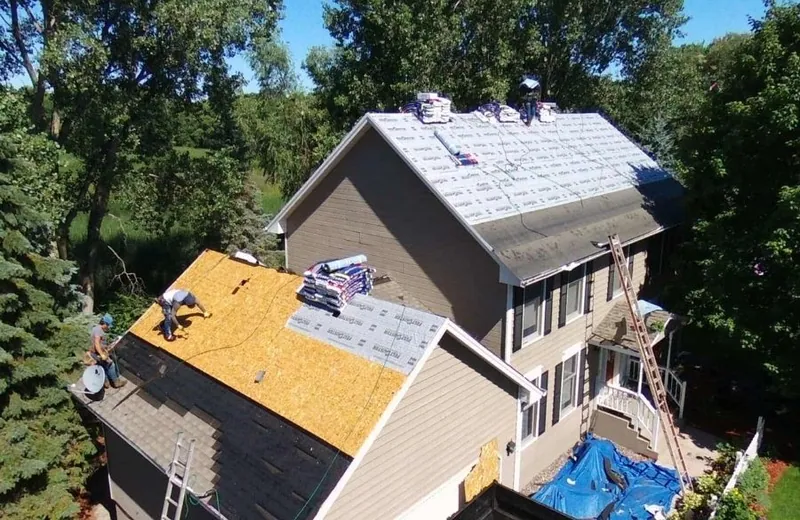
The installation itself usually takes one to three days for a typical Brookhaven home. Simple ranches often finish in a single day, and complex infill roofs or slate and metal jobs take longer. The bigger timeline factor is what happens before the job: permits from Brookhaven, DeKalb County or your city, HOA color approval, insurance adjuster visits and the weather. From a signed estimate to completion, expect roughly one to four weeks. Spring storm season can stretch that. Active leaks get temporary protection right away.
Do I need a permit to replace my roof in Brookhaven?
Generally, yes. The City of Brookhaven's Building Division requires a re-roofing permit for full replacements, and decking or structural work gets inspected. If you're in North Druid Hills, Druid Hills, Scottdale or Belvedere Park, permits go through DeKalb County. Chamblee, Dunwoody, Decatur and other cities have their own offices. Homes in the Druid Hills, Decatur or Avondale Estates historic districts may also need a Certificate of Appropriateness to change roofing material or color. We pull the right permit and coordinate approvals for you.
Is my roof damage from hail or just old age?
It can be hard to tell from the ground, and that's exactly where storm chasers take advantage. Real hail damage shows up as random, circular bruises where granules are knocked loose, often with dents on gutters, vents and AC fins. Age shows up as uniform granule loss, curling and cracking across the whole roof, especially on sun-facing slopes. Our photo inspection documents what's actually there. If it's legitimate storm damage, we provide insurance documentation. If it's wear, we'll tell you honestly rather than push a claim.
Will you pay my insurance deductible?
No, and no legitimate Georgia roofer should. Georgia law (O.C.G.A. 13-11) prohibits contractors from paying, waiving or rebating a homeowner's insurance deductible on storm-damage roofing work. The same law gives you the right to cancel a storm-damage contract that depends on insurance approval. If a door-knocker after a hailstorm offers to 'take care of your deductible,' treat that as a red flag. We document damage accurately, work with your adjuster and price the job honestly.
When should I call a roofer instead of waiting?
Call right away if a tree or limb hits the roof, water is dripping inside, or shingles are missing after a storm. Small openings let in a lot of water during Atlanta's heavy summer downpours. Schedule an inspection soon if you notice granules piling up in gutters, ceiling stains near a chimney or skylight, spongy spots, or a roof older than about 18–20 years. Getting a roof checked after each spring storm season is smart under Brookhaven's heavy tree canopy.
How can I make my roof last longer in Georgia's heat and humidity?
Start with the attic. Balanced soffit intake and ridge exhaust ventilation keep heat and moisture from cooking shingles and rotting the decking. Keep valleys and gutters clear, since oak leaves and pine needles hold moisture and back water up under shingles. Gutter guards help a lot under heavy canopy. Trim limbs back from the roof, treat algae and moss before they lift shingles, and replace cracked pipe boots early. A yearly inspection, ideally after spring storm season, catches small issues before they reach your ceiling.
Can you repair slate, cedar or copper roofs on historic homes?
Yes. Historic Brookhaven, Druid Hills, Decatur and Avondale Estates have many homes with slate, cedar shake, copper flashing and built-in gutters, and careful repair usually beats replacement. We match materials piece by piece, use compatible fasteners, and solder or replace copper details. In historic districts, replacing in kind is often required, and changes may need a Certificate of Appropriateness. We help you through that process so the work is approved and keeps the home's original character.